
Imagine your software is used by multiple U.S. state governments. It processes childcare subsidies, monitors attendance, detects fraud, and ensures regulatory compliance. It’s essential infrastructure — mission-critical, high-stakes.
Now, imagine that same platform was built two decades ago using ASP.NET Web Forms, with layers of business logic buried in SQL stored procedures. Every time a new state comes on board, the system strains a bit more. Customizations stack up. And your development team, already stretched thin, is left juggling outdated code and growing demand.
That was the reality for one technology leader who came to us not for a miracle rewrite, but for a path forward. Many business leaders assume that modernizing a legacy system has to be disruptive. And while that’s sometimes true, it doesn’t have to be. That’s why we’re sharing the nuances of this project — to show how modernization can be strategic, steady, and built for long-term sustainability.
Cracks Beneath the Surface or the Hidden Strain of Legacy Architecture
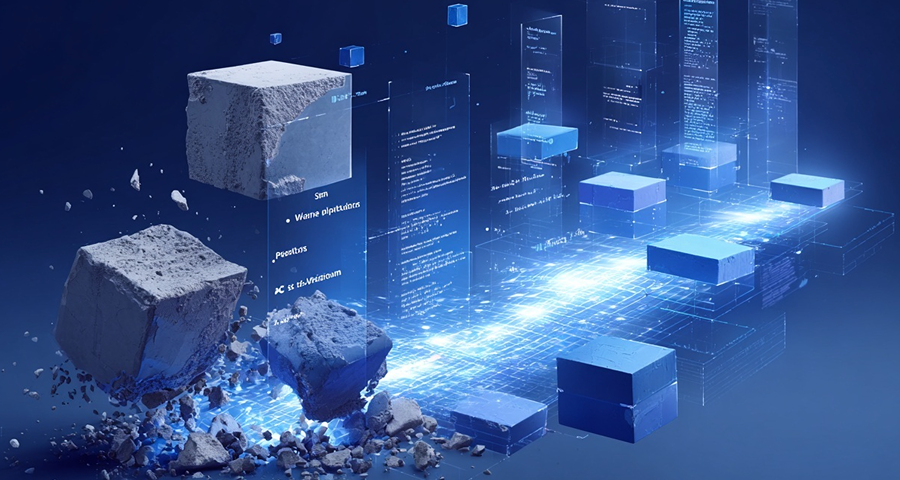
While the code was old, the real problem was everything it was holding back. Beneath the surface, the executive was dealing with full-blown operational gridlock.
The legacy system was too rigid to adapt to evolving client demands. Customizations for each new state contract added complexity faster than the team could manage it. Additionally, scaling was nearly impossible due to the monolithic nature of the codebase. And that’s not all.
Stored procedures handled most of the business logic, leaving no room for abstraction or modern architecture. Even the idea of introducing a modern UI framework raised the risk of UI/UX fragmentation. With a fully loaded internal dev team, no one had the bandwidth to reimagine the system from the ground up.
The client knew a rewrite was coming eventually. However, betting the entire platform on a wholesale migration without a clear plan felt reckless.
Read more on How to Modernize Legacy Systems
Rethinking the Rewrite: A Smarter, Strategic Approach
At Velvetech, we don’t believe in big-bang rewrites, especially when the system is critical to day-to-day operations. Instead, we proposed something more pragmatic: an incremental modernization strategy grounded in real validation.
Start Small, Think Big

Modular Thinking from Day One

Security and Governance Built In

A Playbook for Scale

The Payoff: Modernization Without the Risk
The prototype gave the client exactly what they needed: clarity on the scope and cost of a full modernization before making a major commitment. It provided a modular, scalable architecture that made customization manageable rather than chaotic.
By avoiding a disruptive “big bang” rewrite, the team significantly reduced operational risk. Just as importantly, the process produced a flexible, well-documented approach that their internal developers could adopt — or hand off — without losing momentum. Most critically, it put the organization back in control of its own roadmap.
Explore the Key Digital Transformation Challenges
If Your Legacy System Is “Working” — That Doesn’t Mean It’s Sustainable
Every year you delay modernization, complexity compounds. Your ability to serve clients, remain secure, and adapt to new requirements gets harder, not easier.
The good news? You don’t have to leap blindly into a full rewrite. Start small, build a prototype, validate the direction, and then scale with confidence.
Let’s map your modernization journey. Book a strategy session with Velvetech and take the guesswork out of future-proofing your core systems.