
A patient-centric approach has been a buzzword in the healthcare industry for the last decade. Patients are becoming more active participants and want to contribute to their own care process while medical practitioners have to recognize and consider what is the most important and beneficial.
The patient-centric approach involves providing special medical services fashioned to cater to the individual values, needs, and preferences of a patient in addition to professional consultations and guidance of a health expert.
There is a paradigm shift in the healthcare system. It is gravitating away from the old model of doctors usually making medical treatments based only on tests and their personal experience with a patient.
Other than in the past, patients are now open to more information about their illness and viable options for treatment. With the latest advancements in healthcare and technology, patients have access to the information and tools that can enable them to make a choice and decide the method of medical treatment that suits their lifestyle and health conditions. In other words, a choice of clinical decision is based on how acceptable and responsive a patient might be to such medical treatment.
What Is Patient-Centricity?
Although it has become the industry’s catchphrase, it’s quite unlikely that all players are on the same page on the definition of patient-centricity. So prior to exploring the essence and key drivers of this approach, let’s first cover what it implies.
As the name suggests, it means designing such a process of treatment, clinical trials, or other healthcare service delivery that is focused on the patient. While it’s more about the mindset centered around listening to what the patient thinks and feels, tech tools and solutions directly help propel this approach and forge a positive healthcare environment.
User-Driven Approach
The Importance of Patient-Centric Care
The patient-centric approach is overall approved by many medical experts as a very qualitative method with positive outcomes from both the medical and business side.
From the business perspective, patient-centric healthcare has been reported with engaging experiences and positive results leading to retention of patients and continuity of their health care.
The medical perspective is that patients respond better to treatments, show fewer symptoms, and also have a lower possibility of relapse or readmission to the hospital.
Advantages of patient-centric healthcare include:
- Increased engagement between patients, healthcare providers, and other stakeholders makes patients better informed about their health conditions and treatment options, which leads to better care.
- Participation, communication, and collaboration of healthcare experts with patients make the process of health decisions more timely and successful.
- Improved health outcomes and increased patient satisfaction with the provided healthcare services.
- Improved resource allocation and multilevel care planning.
- Increased competitive advantage based on cost and quality of healthcare provision among hospitals.
Delivery of Patient-Centric Healthcare
The Role of Technology
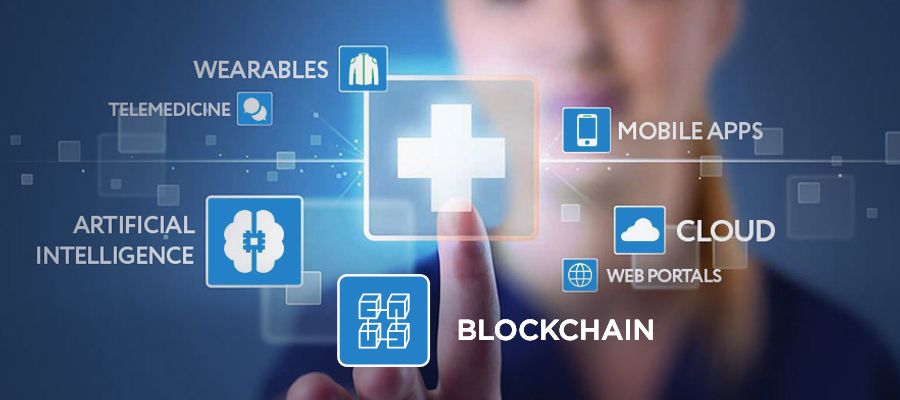
The application of such technologies as wireless communications, video conferencing, streaming media, mobile solutions, AI, and IoT are frequently used today to directly or indirectly deliver medical care focused on the patients’ demands.
Processed data is a principal factor for providing patient-centric healthcare and its engagement strategies, especially multilevel care planning. IT technologies allow medical organizations to collect and process large volumes of applicable data, which is essential and critical to the support of modern healthcare services.
The Role of Social Enterprises
Today’s global market requires entrepreneurial thinking to solve various problems including those of patient-centricity. The consideration of the existing health and IT regulations, in this case, is impeccable.
IT professionals, medical experts, health insurance companies and health agencies who are up to date with medical privacy, data security, and other policies need to cooperate to make a patient-centric model affordable and efficient.
Patient-Centric Strategies
While focusing on patients, it’s essential to build the right strategy for delivering medical services. There are several tactics to keep in mind that drive a positive patient experience, which is eventually something to center your efforts around.
Cost-Effectiveness
Now the cost of medical treatment affects patient experience more than ever. In the era of consumerism, healthcare providers need to shift their focus on using the tools and technologies that foster cost-effective care aligned with patient values.
Advanced Technology
As we’ve mentioned above, the role of technologies is vital for supporting the patient-centric approach. The application of advanced software tools helps address patient needs, keep them engaged, and fuel the business growth of healthcare providers.
Quality Service
All patients want to receive better, faster, and more accurate services. Thus, the quality of healthcare should be a focal point for medical organizations. The right combination of tools, technologies, and strategies offers robust opportunities to deliver excellent service.
Ready to advance patient experience?
Expanding the Healthcare Experience
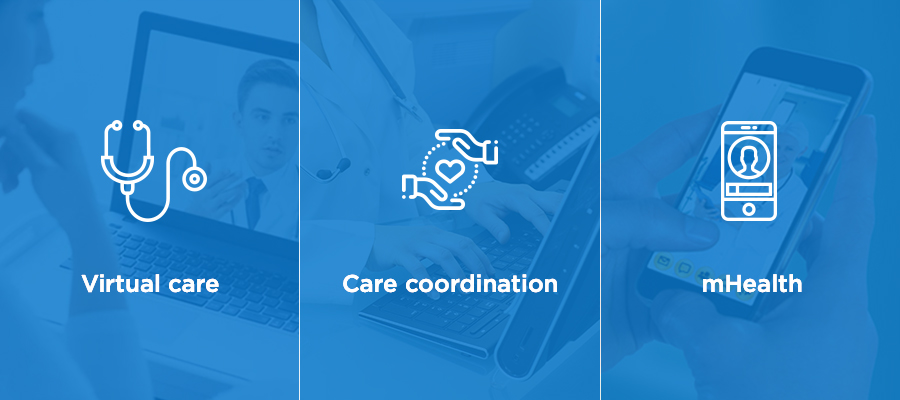
With the combinations of IT technology and medical care, we are experiencing new solutions that serve the needs of healthcare. Adopting the right technologies facilitates the implementation of the patient-centric approach. Some outstanding outcomes have been already recorded in the following areas:
Virtual Care
The demand for virtual healthcare is continually growing. For patient-centric providers, it is extremely important to have all the necessary tools for supporting different types of interactions with patients in addition to in-person appointments.
Virtual care is aimed to deliver timely medical attention to patients via telemedicine consultations, regular check-ins during the treatment, remote health data monitoring, online treatment, and prescriptions adjustment. It simultaneously includes providing information and responding to the questions from patients.
Virtual care can be sufficient for minor illnesses. In general cases, it complements healthcare experience and helps provide care in a consistent manner for each patient.
Digital Consultations
Today, many patients and healthcare providers take advantage of telemedicine. It encompasses various communication channels to establish real-time interaction and provide long-distance patient care.
Live audio and video chats, instant messaging, mobile apps, and other telehealth solutions help diagnose patients remotely, provide medical advice and recommendations, address concerns and walk through instructions.
Remote Patient Monitoring
Remote patient monitoring or telemonitoring is another way to support the patient-centric approach in healthcare. It allows for remote patient health data collection and tracking with the help of wearable medical devices. RPM is a good choice for monitoring vitals after surgeons and observing medical conditions for outpatient care.
Learn more: Telemedicine – A Win-Win for Patients and Healthcare Providers
Mobile Health
In patient-centric healthcare, the use of mobile health plays a major role. It is highly preferable to the new generation because of its convenience of accessing healthcare in a few taps. As an engagement and communication tool, it provides health services, collects, manages and communicates health data.
mHealth promotes the participation of both healthcare consumers and providers in health education, remote consultations, disease surveillance, treatment alignment, drug reference, and so on.
Care Coordination
PMS or EHR
An effective practice management system for hospitals and clinics is a gateway to the patient-centric approach. Besides being engaging, it solves the problems of coordination and related activities. Basic functionality of PMS include:
- Managing appointments
- Insurance verification
- Scheduling tasks
- Payments and billing
- And more
Learn more: 8 Essentials of Efficient Practice Management System
On the other hand, the electronic health record system provides room for storing patient details including allergies, disease codes, treatment and lab reports. It enables sharing patient information with specialists of different medical practices.
Healthcare providers can take advantage of the complete digitalization of their services. This can be done by streamlining the workflows with a PMS system and integrating with an EHR solution to make it even more patient-centric.
Read how we Integrated Appointment Scheduling and PMS Software for a Dental Marketplace
Store-and-Forward Interactions
A good method for administering and coordinating medical data is asynchronous communication. Also known as store-and-forward, it is a facilitator for sharing medical information such as health history, medical images, scans, and reports between health professionals and even patients.
Store-and-forward allows data to be shared, acted upon, and be accessible to physicians in multiple locations. It employs the use of multichannel communications to relay data for applicable health decisions.
Emerging Technologies for Patient-Centric Approach Enhancement
Personal Medical Experience Using AI
The joy of patient-centric healthcare is a personal medical experience. With the availability of AI and family health records, detailed diagnostics and medical decisions can be more precise and specific for patients.
Prescribing drugs, advising healthy diets and treating allergies will be more effective. A patient can also be warned in advance of illnesses that are genetically inherited and advised on the best way to avoid them.
Another practical application of AI and ML is the use of deep structured learning for health decision-making. AI consultations allow for making diagnoses and providing detailed medical actions to a specific patient based on millions of examples of relevant cases.
Learn more: Applicable Uses of Artificial Intelligence in Healthcare
Blockchain
Unlocking the potential of blockchain technology can solve the most pressing challenges in the healthcare industry. A distributed ledger addresses the problems of compliance, interoperability, and data security and makes it a choice for enabling new patient-centric business models.
The use of blockchain will ensure:
- The integrity of medical records
- Consent data management
- Trust between health stakeholders
Blockchain is a safe haven for medical data. A smart contract can be used to protect the privacy of a patient’s medical information. Thus, focusing the healthcare ecosystem on patients empowered with data as the most valuable asset.
Learn more: Blockchain in Healthcare
Cloud Solutions
Cloud-based solutions are a standard in modern software systems. It enables interoperability among stakeholders and works well with remote work locations unifying all the branches in a healthcare system.
Hospitals and professional healthcare providers should consider platforms that allow for easy communication and access to health records in real-time. The use of cloud-based systems and communication platforms can enable fast and secure data collection, integration, and synchronization.
Data put together from clinical, financial, and operational departments should be used in developing new metrics for quality, patient satisfaction, and healthcare performance. The resulting data can be used to give medical advice and treatment plans to fit individuals based on the metrics.
IoT and Big Data
The Internet of Medical Things is a golden opportunity to shape medicine that supports the patient-centric strategy. From the enhanced quality of treatment and improved patient experience to reduced costs and elevated efficiency — IoT provides the immense potential to help healthcare professionals drive the industry forward.
Read more about the Internet of Things in Healthcare
The ecosystem of connected devices and tech solutions generates massive volumes of digital information, or Big Data, that can be leveraged to make better diagnoses, enhance treatment, and deliver more personalized services. Coupled with AI and data science technologies, IoT allows for analyzing PHI to create the most appropriate medical decision upon the patient’s situation and even boost preventive care.
AR & VR Technology
Other technologies that drive innovation within a patient-centric environment are Augmented and Virtual Realities. We see that the number of use cases where AR & VR solutions build new opportunities for healthcare providers is growing steadily.
For example, these technologies can help patients ease the symptoms of mental disorders like depression or anxiety. On the other hand, doctors adopting AR & VR solutions can increase the accuracy of treatment and perform surgeries more efficiently.
Digital and Data Analytics Opportunities to Engage Patients
Nowadays, patients ask for more personalized approaches in healthcare and expect a better experience. Helping respond to these demands, digital tools and data analytics provide medical organizations with vast opportunities to address unmet patient needs.
Digital technologies enable patients to control their data, participate in decision-making, transform patient care, and rely on better clinical outcomes. In this regard, patients are interested in adopting tools to take an active role in their well-being.
For example, they commonly use various wearables, sensors, and mobile apps that promote a new level of connectivity between patients and healthcare providers. It allows both sides to prevent diseases and achieve desired treatment results.
To leverage digital and data analytics opportunities and support the patient-centric approach, medical organizations should focus on the key thoughts. Aim to:
- Create a patient journey map to define touchpoints where patient experience can be improved with tech tools
- Prepare to collect and process a vast amount of data that’s generated along the way, for example, with the help of medical IoT solutions
- Consider data ownership, inform patients about the benefits of sharing their information and be transparent about its usage
We know what matters in healthcare
Challenges of Implementing a Patient-Centric Approach
Today, the transition to a patient-centric approach is more about changing the mindset and culture. Current healthcare still tends to operate in a provider-centric mode, and this is the biggest issue. The shift means new experiences for the entire organization, including healthcare professionals and administrative staff. Thus, everyone should be prepared, well-trained, and have proper expectations.
Moreover, the adoption of this approach often entails the adoption of new technologies. It means that the existing healthcare ecosystem and IT infrastructure should be ready to accommodate new built-in solutions in order to support an effective patient-centric strategy.
The Best Way to Patient-Centric Healthcare
Implementation of the patient-centric model is impossible without the use of technology. Therefore, healthcare providers must consider the most beneficial technology solutions that facilitate making data-driven decisions, providing consistent medical care, and taking into account individual factors of each patient.
Patients’ participation and contribution combined with the right tools will lead to improving a patients’ medical experience and indeed make patient-centric solutions the best adaptation for healthcare providers.
Velvetech is a reliable software vendor with vast expertise in custom software development and delivery of practical solutions for the healthcare industry. Reach out to us today for our consultations and services.